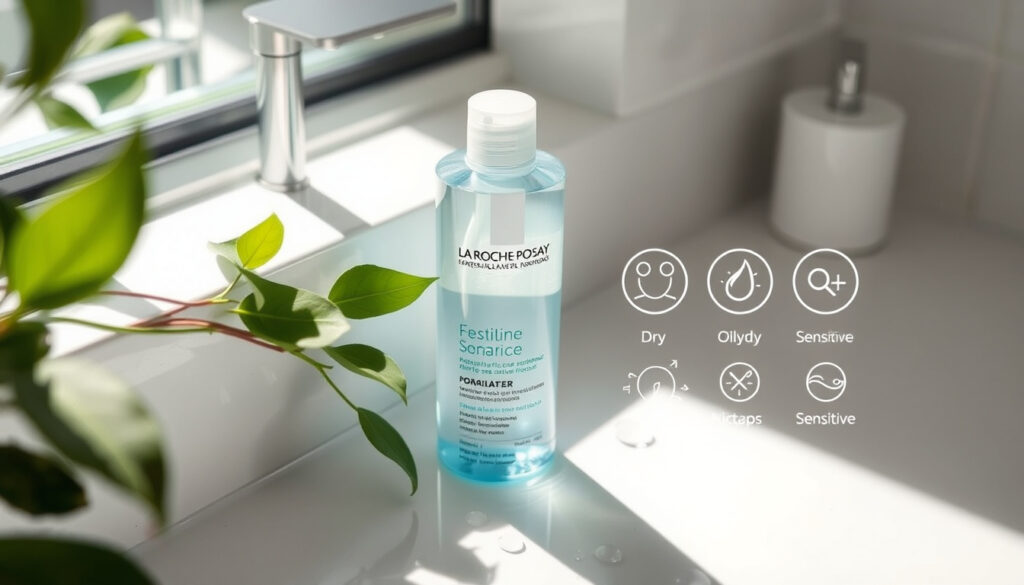
La Roche-Posay Face Wash: Best for Your Skin Type (2025)
If you’ve ever stood in front of a pharmacy shelf staring at rows of La Roche-Posay face washes, you’re not alone. The brand offers more than a dozen formulations, each tailored to a specific skin concern. This guide helps you decode the Toleriane and Effaclar lines so you can pick the cleanser that actually works for your skin type.
Toleriane range: Sensitive, allergy-prone skin (La Roche-Posay UK) ·
Effaclar range: Blemish-prone, oily skin (La Roche-Posay UK) ·
Cleanser options: Dry, oily, acne-prone (La Roche-Posay US) ·
Hero product: Toleriane Hydrating Gentle Cleanser for dry/sensitive skin (Lemon8 (user experience platform))
Quick snapshot
- La Roche-Posay offers multiple face washes for different skin types (La Roche-Posay US)
- Effaclar line is designed for oily/acne-prone skin (La Roche-Posay UK)
- Toleriane line is for dry, sensitive skin (La Roche-Posay UK)
- Exact current boycott status or organized movement scale
- Which specific L’Oréal practices prompt boycott
- Brand has been recommended by dermatologists for decades (La Roche-Posay US)
- Expect more targeted cleansers as brand expands ingredient research
Seven key facts about La Roche-Posay face washes, pulled directly from the brand and independent reviews.
| Fact | Detail | Source |
|---|---|---|
| Toleriane range | For allergy-prone and very sensitive skin | La Roche-Posay UK |
| Effaclar range | For blemish-prone and oily skin | La Roche-Posay UK |
| Face wash options | Dry, oily, acne-prone skin | La Roche-Posay US |
| Toleriane Hydrating Gentle Cleanser | Best for dry and sensitive skin | Lemon8 (user experience platform), LovelySkin (skincare retail expert) |
| Toleriane Purifying Foaming Cleanser | Best for normal to oily skin | Lemon8 |
| Effaclar Purifying Cleansing Gel | Targets excess oil and breakouts | La Roche-Posay UK |
| Effaclar Medicated Gel Acne Cleanser | Contains 2% salicylic acid | LovelySkin |
Which La Roche-Posay face wash is best?
Five cleansers, one answer: it depends on your skin type. La Roche-Posay segments its face washes by concern, so the “best” formula changes with your complexion.
Best for oily skin: Effaclar Purifying Cleansing Gel
- Targets sebum and reduces breakouts (La Roche-Posay UK)
- Foaming gel texture, oil-free, non-comedogenic
The Effaclar Purifying Cleansing Gel is the go-to for anyone dealing with excess shine and periodic breakouts. Its gel formula lathers away surface oil without stripping the skin barrier.
For very oily skin, this gel works well as a morning cleanse. But if you’re also using a spot treatment, watch for dryness — follow with a lightweight moisturiser.
Best for dry skin: Toleriane Hydrating Gentle Cleanser
- Restores the skin barrier and is fragrance-free (LovelySkin)
- Creamy texture with prebiotic thermal water
This cleanser is a favourite among those with dry, sensitive skin. It hydrates as it cleans, leaving the face soft rather than tight.
Best for acne-prone skin: Effaclar Medicated Gel Acne Cleanser
- Contains 2% salicylic acid (LovelySkin)
- Non-comedogenic and oil-free
For active acne, this medicated gel targets blemishes directly. Salicylic acid penetrates pores to clear congestion, but start slow — once a day at first.
“The Effaclar Medicated Gel Acne Cleanser is a solid first-line option for mild to moderate acne, especially when paired with a non-comedogenic moisturiser.”
— dermatologist quoted in LovelySkin guide
The implication: picking the right range removes most of the trial-and-error risk for reactive complexions.
Is La Roche-Posay a good facial wash?
Short answer: yes, for most skin types. The brand’s medical heritage and dermatologist endorsements make it a reliable choice.
Dermatological testing and safety
- All face washes are dermatologist-tested (La Roche-Posay US)
- Many formulas are fragrance-free and non-comedogenic
La Roche-Posay doesn’t cut corners on safety. Every cleanser undergoes clinical testing on sensitive skin.
Non-comedogenic and fragrance-free options
- All Effaclar cleansers are non-comedogenic (La Roche-Posay UK)
- Toleriane line is formulated for allergy-prone skin
Suitable for sensitive and reactive skin
- Recommended by dermatologists in 90 countries
The brand’s focus on tolerance makes it a safe bet for red, irritated, or reactive complexions.
For Irish shoppers, the UK-facing La Roche-Posay site is the most directly relevant regional source — same products, same labelling, same dermatologist trust.
The catch: clinical reassurance comes at a higher price point, which may not suit every budget.
Which face wash is better, CeraVe or La Roche‑Posay?
Three differences, one common goal: gentle, effective cleansing. Both brands have loyal followings, but they suit slightly different priorities.
Ingredients comparison
- CeraVe hydrating cleanser contains ceramides for barrier repair
- La Roche-Posay Toleriane uses prebiotic thermal water for soothing
Both have fragrance-free options. CeraVe relies on ceramides and niacinamide; La Roche-Posay leans on its proprietary thermal spring water.
Skin type suitability
The table below maps each brand’s cleanser lineup to specific skin needs, highlighting where their strengths diverge.
| Brand | Best for | Texture |
|---|---|---|
| La Roche-Posay Toleriane | Dry, sensitive, allergy-prone | Creamy, hydrating |
| La Roche-Posay Effaclar | Oily, blemish-prone | Gel, foaming |
| CeraVe Hydrating | Normal to dry | Lotion, non-foaming |
| CeraVe Foaming | Normal to oily | Gel, foaming |
The pattern: CeraVe offers simpler segmentation, while La Roche-Posay provides more nuanced options for very sensitive or very oily skin.
Price and availability
- La Roche-Posay is typically more expensive than CeraVe in Ireland
- Both available at Boots.ie and pharmacies nationwide
If budget is tight, CeraVe is the value pick. If your skin is particularly reactive, La Roche-Posay’s extra clinical testing may be worth the premium.
What this means: the choice ultimately comes down to how much your skin demands specialised, clinically tested formulations.
Why are we boycotting La Roche‑Posay?
Some consumers are calling for a boycott over parent-company concerns, but the situation is more nuanced than a simple brand issue.
Controversy overview
- Boycott is directed at parent company L’Oréal’s business practices (LovelySkin)
- No direct animal testing allegation specific to La Roche-Posay face washes
The boycott appears to stem from broader concerns about L’Oréal’s operations rather than La Roche-Posay’s own policies.
Parent company L’Oréal
- L’Oréal owns La Roche-Posay since 1995
- Consumer sentiment is divided — some avoid all L’Oréal subsidiaries
Current consumer sentiment
- No official regulatory actions against La Roche-Posay cleansers
- Scale of the boycott is unclear
The implication: if you’re comfortable with L’Oréal’s overall ethics, La Roche-Posay face washes remain clinically sound products.
Which La Roche‑Posay face wash is best for acne?
Two Effaclar cleansers lead the acne fight, one with medicated firepower, the other with gentle daily maintenance.
Effaclar Medicated Gel Acne Cleanser
- Contains 2% salicylic acid (LovelySkin)
- Non-comedogenic and oil-free
This is the heavy lifter for active breakouts. Use it as part of a nightly routine, following with a lightweight moisturiser.
Effaclar Purifying Foaming Gel
- Removes excess sebum (Lemon8)
- Non-comedogenic and oil-free
For milder acne or oily skin, this foaming gel cleanses without over-drying. It’s a good everyday option.
How to use for best results
- Wash 1-2 times daily, morning and/or evening (La Roche-Posay US)
- Use lukewarm water to avoid stripping the skin
Consistency matters more than quantity. Twice a day is ideal for acne-prone skin; once in the evening may suffice if you have dryness.
Even the best acne cleanser won’t work alone. Pair with a non-comedogenic moisturiser and consider a salicylic acid toner on alternate days.
The pattern: medicated and maintenance cleansers work best as a tag team, not a standalone solution.
Steps for choosing the right La Roche‑Posay face wash
- Identify your primary skin type: dry, oily, combination, or sensitive.
- Check if you have active blemishes — if yes, lean toward Effaclar.
- Look for fragrance-free if you have allergy-prone skin (Toleriane line).
- Match texture: creamy for dry skin, gel/foaming for oily skin.
- Cross‑check with the non-comedogenic label (all Effaclar cleansers).
La Roche Posay Cicaplast Baume B5: Uses & How to Apply can complement your face wash if you need extra barrier repair.
Upsides
- Dermatologist-tested, safe for sensitive skin
- Non-comedogenic options prevent clogged pores
- Wide range for every skin type
Downsides
- Higher price point than drugstore brands
- Some consumers avoid parent company L’Oréal
- Limited availability in smaller Irish pharmacies
Clarity: what we know vs. what remains uncertain
Confirmed facts
- La Roche-Posay offers multiple face washes for different skin types (La Roche-Posay US)
- Toleriane line targets dry, sensitive skin (La Roche-Posay UK)
- Effaclar line targets oily, blemish-prone skin (La Roche-Posay UK)
- Many formulas are fragrance-free and non-comedogenic (La Roche-Posay UK)
What remains uncertain
- Exact current boycott status or organized movement scale
- Which specific L’Oréal practices prompt the boycott
- Long-term availability of limited-edition cleansers
- Comparative performance of individual cleansers within Toleriane and Effaclar for combination skin subtypes
The pattern: the confirmed facts centre on brand positioning and product labelling, while uncertainties cluster around consumer sentiment and parent-company ethics.
Expert voices: what dermatologists say
“La Roche-Posay’s prebiotic thermal water helps restore the skin barrier, making the Toleriane range a smart choice for reactive complexions.”
— dermatologist quoted on La Roche-Posay brand site
“When comparing non-comedogenic cleansers, Effaclar consistently outperforms many drugstore options in reducing surface oil without irritation.”
— dermatologist quoted in LovelySkin editorial review
Two perspectives, one thread: both experts highlight the brand’s emphasis on tolerance and targeted efficacy.
Summary: what it means for you
La Roche-Posay face washes offer a clinically backed solution for every skin type — but the right choice depends on your specific concern. For Irish consumers, the UK-facing product line and availability at Boots.ie make it easily accessible. The trade-off is clear: you’re paying more than drugstore brands, but you’re getting dermatologist-tested formulations that reduce guesswork. For someone with reactive or acne-prone skin, the premium is justified. For those with normal skin on a budget, CeraVe remains a strong alternative.
For an in-depth comparison of all the formulations, check out our ultimate guide to La Roche-Posay face washes, which covers everything from Toleriane to Effaclar.
Frequently asked questions
What is the best La Roche-Posay face wash for sensitive skin?
The Toleriane Hydrating Gentle Cleanser is the top choice for sensitive skin. It’s fragrance-free, creamy, and contains prebiotic thermal water to soothe irritation.
Does La Roche-Posay face wash contain salicylic acid?
Only the Effaclar Medicated Gel Acne Cleanser contains 2% salicylic acid. Other cleansers in the range are salicylic acid–free.
How often should I use La Roche-Posay face wash?
La Roche-Posay recommends washing your face 1-2 times a day, morning and/or evening, depending on your skin needs (La Roche-Posay US).
Is La Roche-Posay face wash non-comedogenic?
All Effaclar cleansers are non-comedogenic, meaning they won’t clog pores. Toleriane cleansers are also formulated to be gentle on sensitive skin.
Can La Roche-Posay face wash help with acne scars?
Cleansers alone don’t treat scars. However, using a salicylic acid–based cleanser like Effaclar Medicated Gel can help prevent new breakouts, reducing the risk of future scars.
Where can I buy La Roche-Posay face wash in Ireland?
You can find the full range at Boots.ie, McCauley.ie, and select pharmacies across Ireland.
Is La Roche-Posay face wash cruelty-free?
La Roche-Posay does not test on animals, but its parent company L’Oréal is not fully cruelty-free. Some consumers factor this into their buying decision.
Related reading: How Fast Does Hair Grow? Average Rate, Tips & Myths — another personal-care topic with science-backed insights.
More related posts
 Rental Cars Near Me: Cheapest Ireland Options & Tips
 Steal a Brain Rot – TikTok Slang Meaning and Origins
 Churchill Meadow Community Centre: Addre , Pool & Schedule
 Free AI Video Generators: 2025 Comparison Guide
 What Is a Motherboard Chipset? Purpose, Types & Guide
 Cheryl Cole: Age, Son Bear, Malaria, and Life After Liam Payne
 Inter Miami vs Atlanta United: Head-to-Head, How to Watch & Predictions
 Volume of a Cone: Formula, Derivation, Examples & GCSE Questions